
Introduction: Where Oakland’s Past Meets Its Present
If you ask a longtime Oaklander where to find charm, walkability, and that certain old-Bay warmth, Rockridge is sure to come up. Nestled in the northern reaches of the city, bordered by Temescal, Piedmont, and Lake Temescal Park, Rockridge stands today as one of Oakland’s most sought-after neighborhoods. But the community’s tree-lined streets, eclectic architecture, and bustling College Avenue are just the latest chapter in a fascinating story that stretches back more than a century.
The Origins: How Rockridge Got Its Name
Long before Rockridge’s iconic restaurants and boutiques, this area was known for its rugged terrain. The neighborhood’s name literally comes from the large rocky outcroppings that once dominated the landscape near the base of the Oakland Hills. Early maps from the late 1800s describe “Rock Ridge” as an apt descriptor for the area’s stony hillsides. The arrival of the Key System streetcars in the early 20th century started to transform this rugged land into a desirable residential suburb.
Key Historical Milestones
- Pre-1900s: For centuries, the land that is now Rockridge belonged to the Ohlone people. By the 19th century, it was pastureland and farmland managed by Spanish and Mexican colonists before American settlers arrived.
- 1909: Rockridge Park, the first residential tract, is developed. The street grid—including the winding, leafy streets just east of College Avenue—begins to take shape.
- 1920s-1940s: The neighborhood’s early architectural roots are established, with signature California bungalows, Arts and Crafts homes, and later, the elegant Mediterranean Revivals that still grace streets like Lawton Avenue and Chabot Road.
- 1950s: The construction of Highway 24 cuts through Rockridge, forever changing parts of the neighborhood but also giving rise to a new wave of residents, drawn by quick commutes to San Francisco.
- 1970s-1990s: As historic homes are restored and families move in, Rockridge develops its reputation for strong schools (like Chabot Elementary), independent businesses, and an active sense of community.
- 2000s-Present: College Avenue becomes a regional destination for dining and shopping, while ongoing efforts preserve the neighborhood’s historic character.
Notable Landmarks and Institutions
Rockridge is alive with places that tell its story. Here are a few local touchstones:
- Rockridge BART Station: Opened in 1973, this vital transit hub not only connects residents to greater Oakland and the Bay Area, but also acts as a modern heart for the neighborhood.
- College Avenue: The soul of Rockridge, this bustling stretch is home to local favorites like Market Hall, an iconic European-style marketplace opened in 1987, and historic landmarks such as the Claremont Branch Library, serving readers since 1924.
- St. Albert’s Priory: Nestled on Birch Court, this Dominican monastery founded in 1931, offers a quiet and contemplative counterpoint to busy College Avenue.
- Frog Park (Rockridge-Temescal Greenbelt): Created in the early 2000s through a grassroots community effort, this linear park is a beloved space for families, picnics, and the annual neighborhood festival.
- Lake Temescal Regional Recreation Area: This park, technically on the neighborhood’s border at Broadway and Highway 24, has drawn swimmers and picnickers since the damming of Temescal Creek in 1868.
The Architecture: A Stroll Through Time
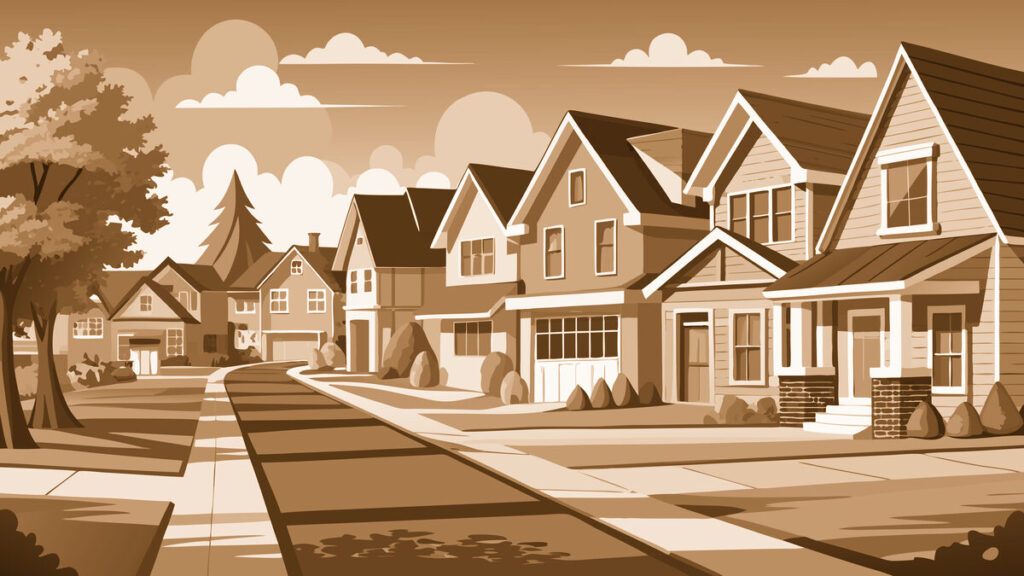
Take a walk down Rockridge Boulevard or Ramona Avenue and you’ll be treated to a living history of Bay Area architecture. The neighborhood’s oldest homes—California bungalows and Craftsman cottages—date to the earliest days of development, each one featuring hand-crafted details and deep porches perfect for watching the world go by. Interwoven are gracefully columned Mediterranean Revivals, storybook Tudors, and even some post-war ranchers, especially north of College Avenue.
Many of these homes have lovingly restored gardens, showing the pride residents take in keeping Rockridge vibrant and green. This careful blend of preservation and modernization is one of the secrets to Rockridge’s longevity and allure.
Rockridge Through the Decades
The story of Rockridge is one of evolving identity—and enduring spirit. The area weathered the changes brought on by the construction of Highway 24, the arrival of BART, and the various booms and busts that have shaped Oakland. Through it all, Rockridge has maintained its sense of place.
The 1970s and 80s saw an influx of young families and professionals, attracted by good schools and a strong sense of neighborhood pride. Longstanding institutions like the Rockridge Community Planning Council provided residents with a voice in local development, ensuring the area’s evolution matched its values.
Today, Rockridge is known for:
- Its highly-rated schools, such as Chabot Elementary and Peralta Elementary.
- A food scene that draws diners from across the East Bay.
- A calendar filled with community activities, from the Out & About Rockridge street festival to the neighborhood movie nights in Colby Park.
What Makes Rockridge Special?
It’s easy to fall for Rockridge. Maybe it’s the way College Avenue lights up at dusk, or the sound of laughter drifting from Frog Park on a sunny Saturday. Maybe it’s the neighborhood’s architectural variety, the hidden gardens down shady lanes, or the proud, hand-painted signs supporting local schools.
Ask a resident, and they’ll tell you: Rockridge’s greatest legacy is its sense of belonging. Here, every home has a story, every corner is familiar, and every change is met with both care and spirited conversation. It’s a neighborhood that honors its past—and looks to its future with optimism.
Conclusion: The Enduring Spirit of Rockridge
From its rocky, unyielding roots to its current role as a vibrant Oakland enclave, Rockridge has always been defined by resilience and a sense of community. Today, it gracefully balances growth and preservation, welcoming new arrivals while celebrating the old stories written into its winding streets and historic homes. For those who know it, Rockridge isn’t just a place—it’s a feeling, as sturdy and welcoming as the ridge itself.